
 TR Türkçe
Tour Info
- Tour Days: Sunday, Monday, Wednesday, Friday, Saturday
- Tour Duration : 1 saat
Tour Program
History of Ephesus Ancient City
Ephesus is one of the best-preserved ancient cities in the world, located in western Anatolia near the town of Selçuk in İzmir, Turkey. Its history dates back to around 6000 BC, the Neolithic Age. Throughout time, Ephesus came under the rule of the Hittites, Greeks, Persians, Hellenistic kingdoms, Romans, Byzantines, and Ottomans.
Foundation and Early Periods
The earliest settlement in Ephesus began around Ayasuluk Hill. Excavations have revealed traces from the Neolithic and Chalcolithic periods. In the 11th century BC, Greek colonists rebuilt the city and named it Ephesos, believed to be derived from the Amazon queen Apasas.
Classical and Hellenistic Period
Ephesus gained fame thanks to the Temple of Artemis, one of the Seven Wonders of the Ancient World. During this time, the city flourished in trade, art, and science, becoming a major hub along the Aegean and Mediterranean trade routes due to its harbor.
Roman Era: The Golden Age
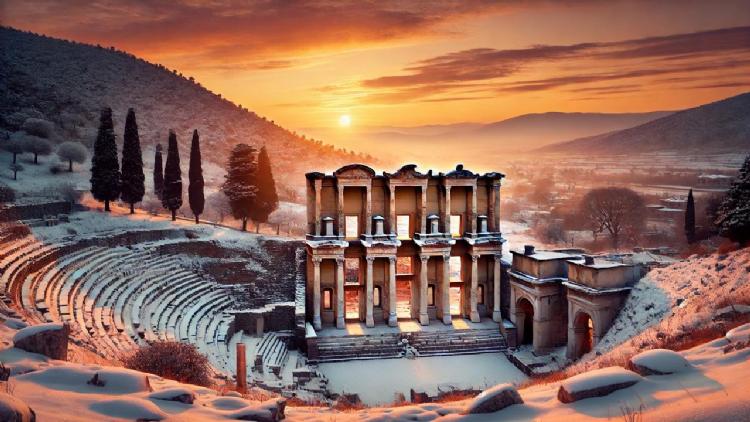
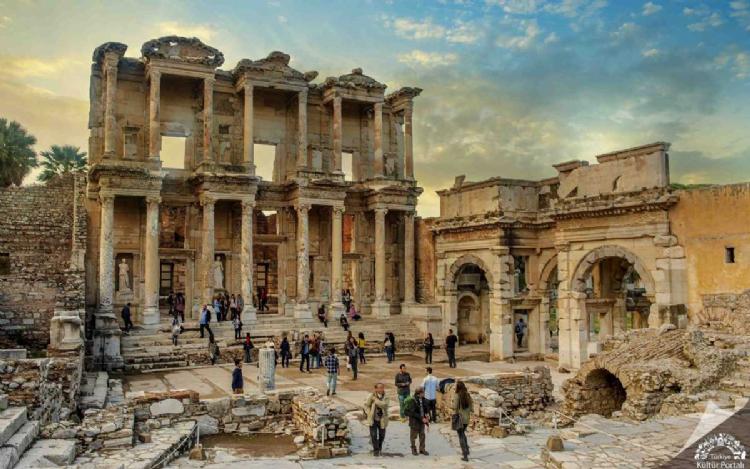
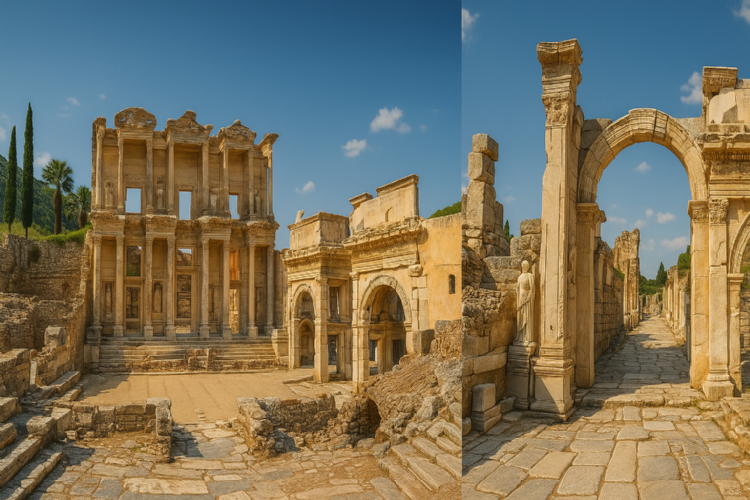
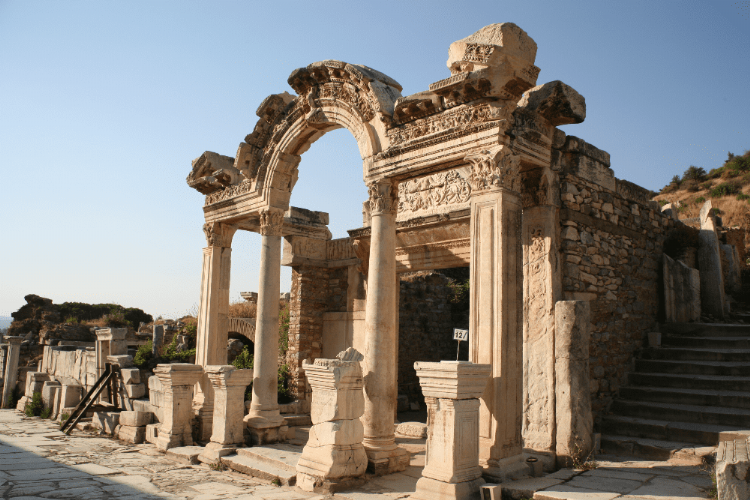
Ephesus reached its peak after becoming part of the Roman Empire in 133 BC. Magnificent structures such as the Library of Celsus, the Great Theatre (with 25,000 seats), the Temple of Hadrian, and the Agora were built. It served as the capital of the Roman province of Asia, turning into a true metropolis.
Christian Period
Ephesus holds great significance in Christianity. The House of the Virgin Mary, where it is believed the Virgin Mary spent her final years, is located nearby. St. John the Apostle also lived and died in Ephesus. The Third Ecumenical Council was held here in 431 AD.
Decline
Over time, the Küçük Menderes River filled the harbor with silt, cutting the city off from the sea. This caused a decline in trade and prosperity. By the 14th century, Ephesus was completely abandoned.
Ephesus Today
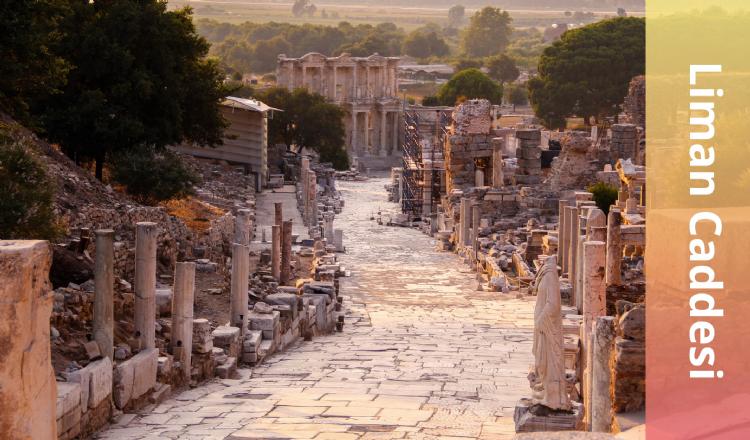
Today, Ephesus is on the UNESCO World Heritage List and attracts millions of visitors every year. With its remarkably preserved Roman architecture, sculptures, and marble streets, it stands as one of the most impressive archaeological sites of the ancient world.
Would you like me to adapt this into a narration text for an English promotional video or documentary voiceover?